Celine’s story - Faith, Resilience & Conversation
Faith, Mindset and Finding Purpose
I was born in the early 1980s. When I was around two years old, I began telling my dad that I was in pain. My limbs would hurt terribly. Eventually, my father took me to a hospital in Ghana, and that’s where we found out I had sickle cell disease and was experiencing a pain crisis. They gave me vitamins, but I didn't receive any pain relief. Growing up, I had to endure the pain with very little support, and I think the most difficult part of it was that.
We were ten children, and I was the only one who had sickle cell. Nobody else in the family understood what I meant when I said I was hurting. I could be playing one moment and then be in agony the next day. People thought I was being lazy or trying to avoid chores. There was very little awareness. Nobody understood.
One of my brothers never believed me—until recently. He told me, “You are a resilient person.”
My childhood was difficult with the pain crisis, because they were frequent. But fortunately, I would usually recover within a week; most of the time, it was only three days.
When I was around 16, I was told by doctors that I would not live past 18. I grew up believing that. But at that age, I found my faith. Certain verses in the Bible strengthened me and changed my outlook on life. I told myself: I am not going to die at 18.
I started to shift my mindset to a more positive note and took one day at a time. I felt God had me here for a reason, I was here for a purpose, and I was going to go through it. I am not defined by the condition I live with. And from then on, I noticed that my health had improved. I was not having the pain crises as frequently as I used to have them, and my quality of life had improved.
Learning to Live Well With Sickle Cell Disorder
I had to learn to live with my condition, and I had to learn what my triggers were and what brings the pain. And then I had to think about how I get better with this? How do I live a normal life?
Over time, I learned how to recognise my triggers and manage my health:
Hydration became essential — even though I never enjoyed drinking water at first.
Eating lots of vegetables and making conscious, healthy choices.
Keeping my mindset strong — this was the biggest part.
And for me, faith played a powerful role in keeping me going.
I feel I have been fortunate.
-
When I was younger in Ghana, some doctors dismissed what I said about my own symptoms. I was told, “Are you the doctor? If you know so much, why are you here?”
When I moved to the UK in 2016, I was asked how I managed my sickle cell so well. That was the first time a healthcare professional asked to learn from me.
What I would like clinicians to remember is:
Listen to people.
Sickle cell affects everyone differently.
Patients are experts in their own bodies.
It can be really frustrating when they’re trying to tell you something, but it’s the complete opposite thing for you. Description text goes here
-
Keep warm - it’s not negotiable.
Drink plenty of water.
When I feel pain coming on, I have a hot bath, then wear warm clothes.
I take my medication and maintain a healthy diet and weight.
Iron supplements have been important for me.
And most importantly – when you are tired, rest.escription text goes here
-
We need to speak about sickle cell disease, because if we don’t, people may not know.
People can't just look at you and tell you, I think you need this or I think you need that. You need to tell people this is my condition. This is how it affects me. This is what can happen. And when it happens, this is what I will need.Description text goes here
-
I think it's good to speak to people and let them share, so we can learn from each other.
You will be able to find things you don’t already know, and then you’ll reflect on those things and see how you’re bringing them into the care.
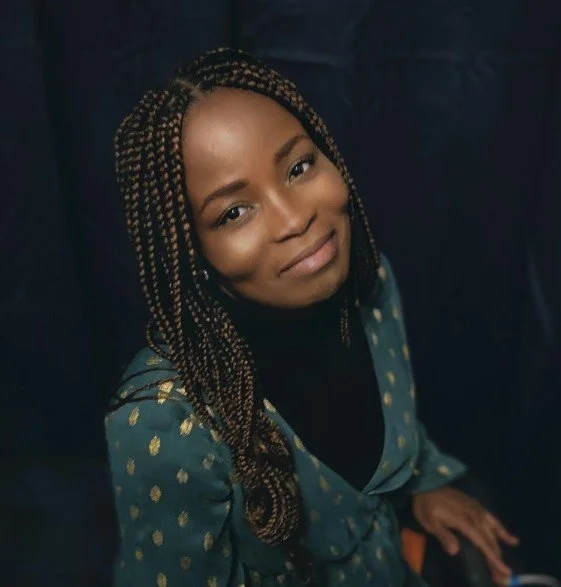
Celine is a civil servant who spends most of her time with her family. She loves cooking and enjoys nature, and her quiet time.
She believes this project can inspire the younger generation to take ownership of their health whilst getting the most out of life.
To listen to the full interview with Celine please click on the podcast below.